This is not a standard public website. It is a live pitch deck for reviewing a one-person AI build path across 250+ IP assets, 11 domains, 7 depth levels, and three phases of development.
250+ IP Assets · 11 Domains · 7 Depth Levels · 8 Focused Months · 3 Phases
Context
This case was not built with outside backing, state support, or institutional infrastructure. It was built independently, and it is presented for careful review rather than casual browsing.
This path is supported by phase logic, product history, ecosystem structure, and review materials designed to make the case legible without reducing it to surface-level startup optics.
Phase 1 was self-funded. Phase 2 remained intentionally one-person and AI-assisted. No outside funding, no government support, and no borrowed institutional surface were used to create this path.
This deck is different from beginning to end. It combines product history, one-person AI construction, documented decision logic, and a phase-based argument for why different parts of the case must be read with different criteria.
If you want users, market contact, team history, capital committed, and external validation, start with Phase 1. That is where classical startup evidence belongs.
Start with the right phase before you start doubting the case.Phase 2 was not built for early public visibility or traditional third-party validation. It was intentionally isolated, one-person, and AI-assisted so the build logic could remain coherent until the output was ready to be named and released.
Different phase, different metric. Otherwise the judgment starts wrong.Phase 1 established reality. Phase 2 preserved the one-person build path. Phase 3 begins where proof must turn into execution.
Foundation, Market Contact, External Validation
Phase 1 is the part of the story that can be read with more traditional startup criteria: product, users, modules, team history, personal capital committed, and public-facing validation. This phase proves the work was already real before the one-person AI phase began.
One Person · Isolated · AI-Assisted · Completion Phase
Phase 2 had to remain one-person in order to preserve the logic of the one-person unicorn case. It was built in isolation, under constraints, and with standard AI chat interfaces only. This was not a launch phase. It was a formation phase: build first, document deeply, announce later.
From One-Person Proof to Execution and Scale
Phase 3 begins when the one-person proof has reached its ceiling and the work must move into execution, publication, rollout, and structured expansion. The goal is not to glorify remaining solo forever. The goal is to understand what this trajectory becomes with the right capabilities around it.
Click to explore each phase
If you want conventional startup evidence, read Phase 1. If you want to understand the one-person AI build path, read Phase 2 on its own terms. The mistake is not skepticism. The mistake is applying the wrong evaluation lens to the wrong phase.
Start with the part of the case that can be read with product, users, market contact, team history, personal capital, and public validation. This is where older metrics still make sense.
Phase 2 was never meant to look like a public launch phase. It was a one-person, isolated, AI-assisted completion phase. Judge it by path integrity, constraint-to-output ratio, and the weight of what was formed.
That reaction is expected. This case was built during the period when AI changed what one person could do. The right response is not instant belief or instant dismissal. It is slower reading, phase separation, and metric discipline.
Some parts of this deck may look unusually large because they combine three things at once: a one-person build path, unusual constraints, and the post-AI shift in what can now be created by one person with AI. If you read it like a normal startup site, it will look inflated. If you read it in sequence, it becomes much easier to understand.
Phase separation matters.
Large claims need structure.
Weight matters more than count.
Build before announcement.
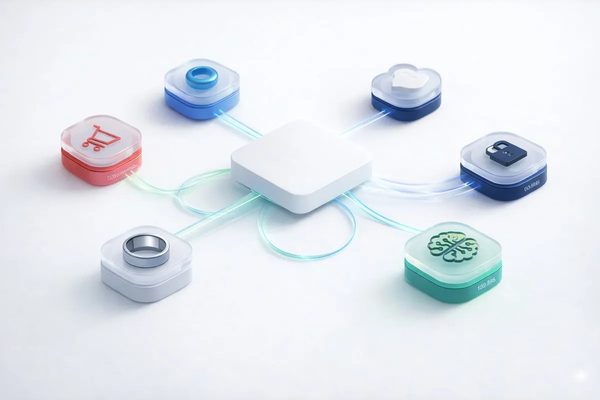
What you are about to see is not a set of unrelated projects. It is a structured ecosystem of independent but intelligently connected domains. Each can be evaluated on its own, but their full value appears only when read as parts of one larger architecture.
Commercial & Market Layer
If you want to see where MZN touches real users and market behavior, this is the starting point.
Human Interface Layer
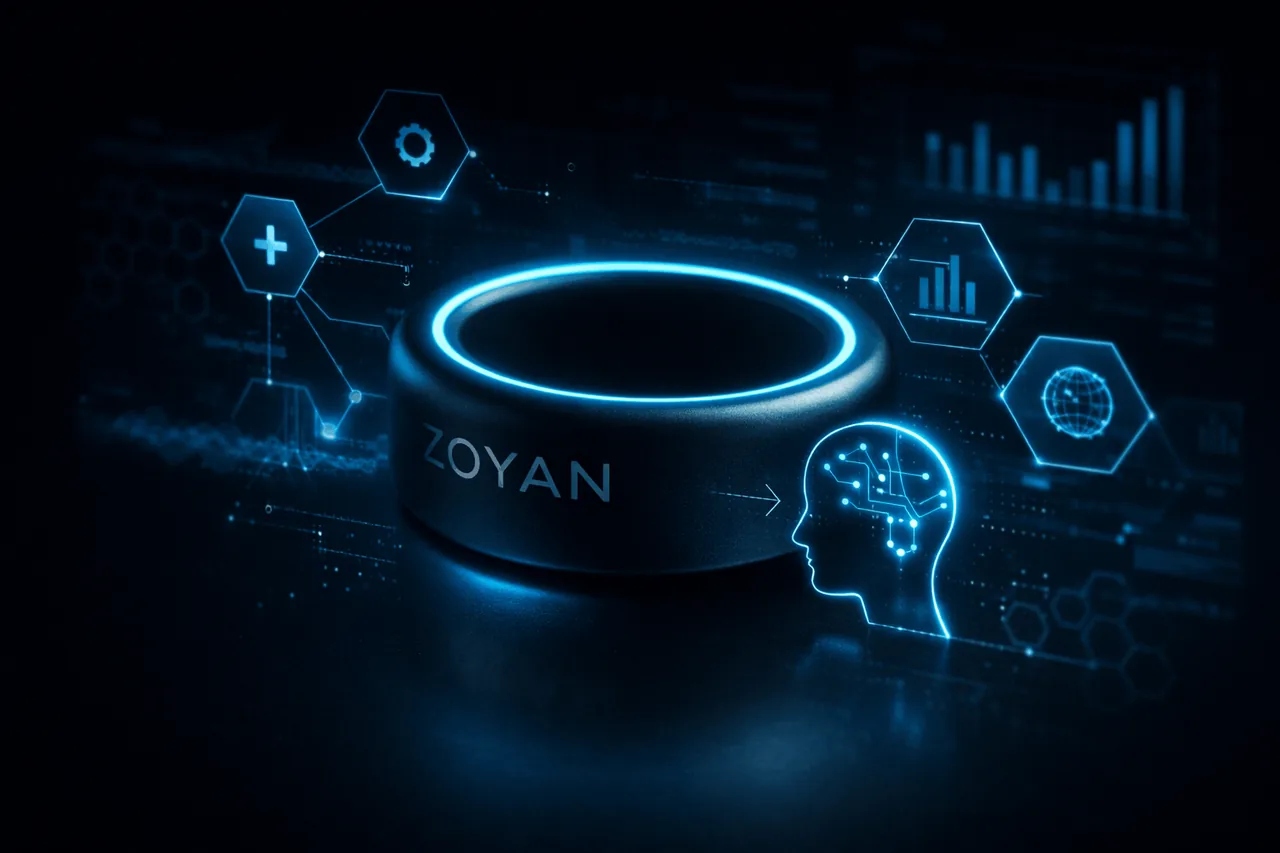
ZOYAN shows that this ecosystem is not only infrastructure behind the scenes. It also has a usable human layer.
AI, Security & Systems Layer
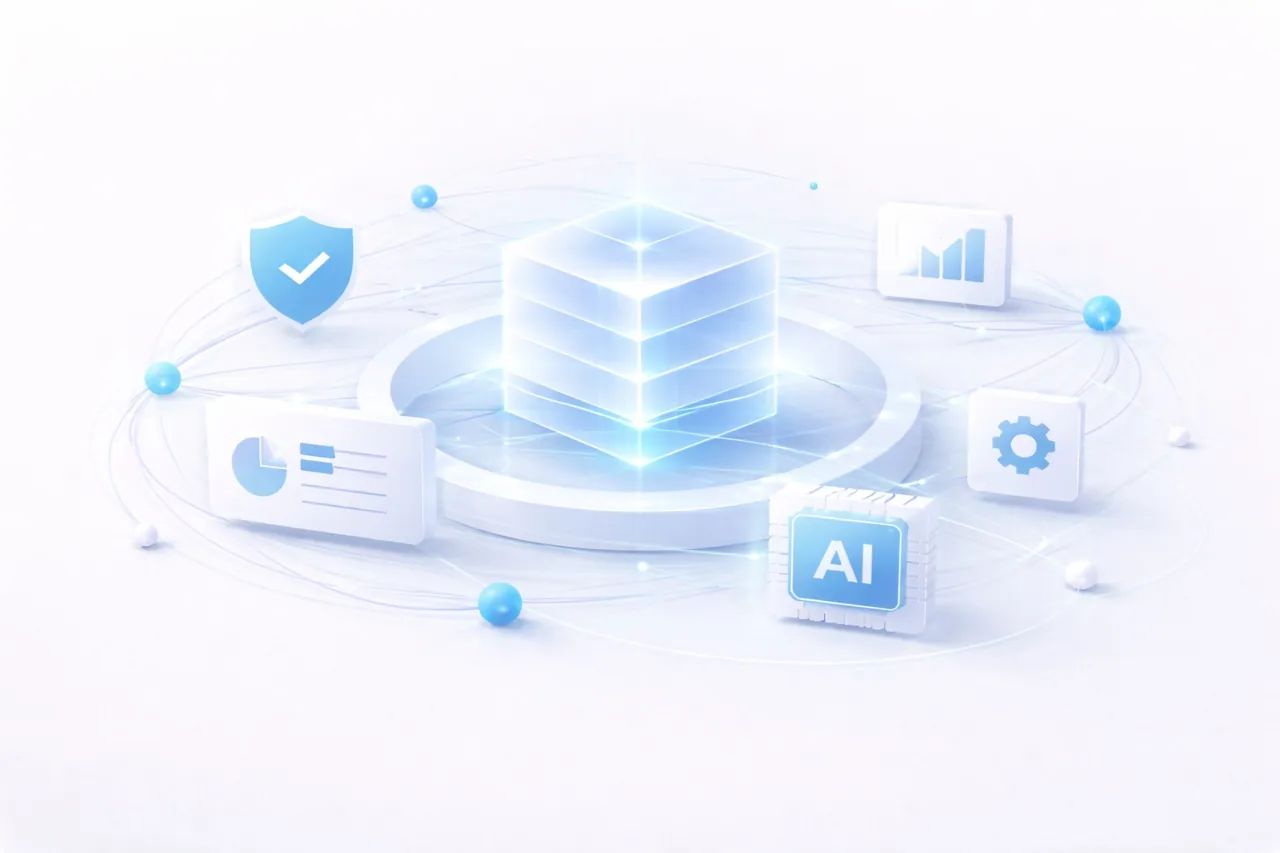
ZOE is not a single feature set. It is the technical and strategic backbone behind several deeper layers of the ecosystem.
Infrastructure Security Asset
GPU Sentinel makes it clear that this ecosystem is not limited to interfaces and products. It also thinks at infrastructure depth.
Architecture & Intelligence Layer
This layer shows that the ecosystem was not built only from products, but also from logic about how intelligence itself should be structured.
Foundational Layer
What is visible now is only an initial public surface. BioCode on its own extends far beyond the current public layer and becomes much clearer in Phase 3.


Six Independent Domains
Rarity
The question is not only how much exists here. The question is whether a comparable one-person AI-assisted case, with this combination of depth, range, and documented formation, can be clearly identified elsewhere.
Founder
Phase 2 did not emerge from nowhere. It stands on top of years of product thinking, self-funded execution, and strategic repositioning. The founder story is not a side note. It is part of the logic of how the phases connect.
Recognition
External signals belong mainly to the earlier market-facing layer of the journey. That matters because it shows public validation existed before Phase 2 moved into a more isolated and architecture-heavy direction.
ALPHA recognition belongs to the public-facing layer that predates the deeper one-person build phase.
Recognition signals matter as evidence of external visibility, but they should be read in the context of Phase 1 rather than used to misread Phase 2.
See the external references, festival context, and where these public signals belong in the overall path.
Evaluation
If you want to assess this case seriously, do not stop at the landing page. Use the analysis, QA, value map, and evaluation path to understand the phases, the ecosystem, and the logic of the build.
Partnership
The next phase requires structure, execution capability, and strategic fit. Money alone is not the main variable. The relevance and quality of the partner matter more than generic attention.